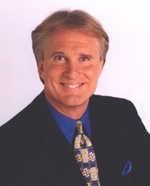
by Jack Lannom
Category: Leadership
The example of the Leader's Leader is a powerful tool for building community - a common unity of shared belief.
The leader's example encourages the staff to live out their beliefs, to put skin on the philosophy (logos), and to remind the staff that every interpersonal encounter gives Purpose Partners the opportunity to demonstrate the truth of the philosophy. At the moment of truth, when a customer's eyes meet the staffer's eyes, and the customer's hand grips the staffer's hand, that customer will know the organizational philosophy. The customer might not be able to articulate the philosophy, but he or she will know, at an instinctive, visceral level, what the organization's philosophical beliefs look like in human form. Is this an organization that values and respects every human being?
Does the staff truly see "problems" as opportunities - opportunities to display that a philosophy of truth in all things, wisdom in all things, and excellence in all things is alive and well and working in the company? Such organizational character provides stability and predictability. In such a philosophically empowered culture, customers and employees alike know exactly what to expect. There is a trustworthy standard for behavior, and the common culture holds everyone responsible to uphold the values. There is no paternalism, where one individual at the top of the organizational hierarchy is responsible for mandating standards of behavior.
The leader is not the standard for behavior; rather it is the logos that provides the code of conduct, and every member of the organization is a steward - a caretaker - of the philosophy.
The CEO is simply another living example of the logos, and he or she is just as accountable to the philosophy as anyone else. Part of a true leader's strength is vulnerability - the willingness to make oneself accountable to the other members of the group. No one is exempt from the philosophical standards of excellence; everyone is accountable to each other. Will the leader fail, at times, to meet that standard? Of course! In fact, everyone will fall short of the standard of personal and professional excellence at some point in every day! But the standard remains, because it is a true standard, it is the right standard, and everyone encourages each other to continue to work toward excellence.
We may drift off course, but the North Star remains the same. And when we do fail, that provides the members of the group with another opportunity - the opportunity to be gracious with one another. The organizational philosophy, professed in the attitudes and actions - the example - of the ambassador, the Leader's Leader, establishes a foundation for healthy relationships, and provides a trustworthy framework for resolving conflicts. In summary, the first benefit an organization reaps from the leader's example is stability. Far from being blown and tossed by the winds of economic change, the organization that is founded on logos and led by an example that is consistent with that logos will stay the course and remain true to its purpose.
Author BIO
Jack Lannom
Author of The People First Effect: Seven Keys for Mastering High Trust in a Low Trust World and creator of the People First Philosophy, Jack Lannom has been coaching, motivating, consulting, and mentoring companies and organizations for more than forty years. Jack has been developing what is now People First International since his initial creation of the Pyramid of People Power in the 1980’s.
Jack has worked with companies such as AT&T, UPS, MiTek Industries (a Berkshire Hathaway company), PepsiCo, Yum Brands, and Royal Caribbean Cruise Line, and is author of the award-winning book, People First – Achieving Balance in an Unbalanced World.